

Treatment should not begin with assumptions. It begins with understanding the person, their circumstances and the concerns that have led them to ask for help.
Deciding whether to seek professional support can feel difficult. A person may know that something needs to change without knowing what kind of help would be appropriate. Families may have concerns but remain unsure how to respond.
Professional treatment should not begin with assumptions. It begins by understanding the person, their circumstances and the concerns that have led them to seek support.
Looking beyond the immediate concern
The reason someone first reaches out is important, but it is rarely the whole picture. A careful assessment may therefore take a broader view and explore, for example:
- physical and emotional wellbeing;
- daily life and relationships;
- previous support and what came of it;
- the impact of current difficulties;
- strengths, responsibilities and what the person hopes might change.
This broader view helps professionals consider what support may be suitable without reducing someone to a diagnosis, behaviour or difficult period.
A careful assessment does not reduce anyone to a diagnosis, a behaviour or a difficult period.
Considering the appropriate level of support
Residential treatment is not automatically the right choice for everyone. Some people may be supported appropriately at home, while others may benefit from temporarily stepping away from familiar pressures or risks.
The decision should reflect individual needs, circumstances, safety and readiness to participate. A responsible provider should explain what it can offer, recognise its limitations and recommend another route when that would be more appropriate.
Creating an informed starting point
Assessment can help shape initial priorities and an individual treatment plan. These may include health, relationships, daily functioning and preparation for life after treatment.
The plan should provide direction without becoming rigid: understanding can develop and goals may need to be reviewed.
A first conversation is not a commitment
An initial confidential conversation is therefore not a commitment to treatment. It is an opportunity to ask questions, clarify concerns and consider an appropriate next step.
A confidential next step
If you are considering treatment for yourself or someone close to you, a confidential conversation with the RevivoCare team can help you explore an appropriate next step.
Still unsure whether this is the right moment? Then read when it is time to seek professional help.
This article has been reviewed for content by the RevivoCare clinical team.
This article is intended as general information and does not replace personal medical or psychological advice. Every situation is different. If you have concerns about yourself or someone else, please discuss them with a healthcare professional or contact us in confidence.
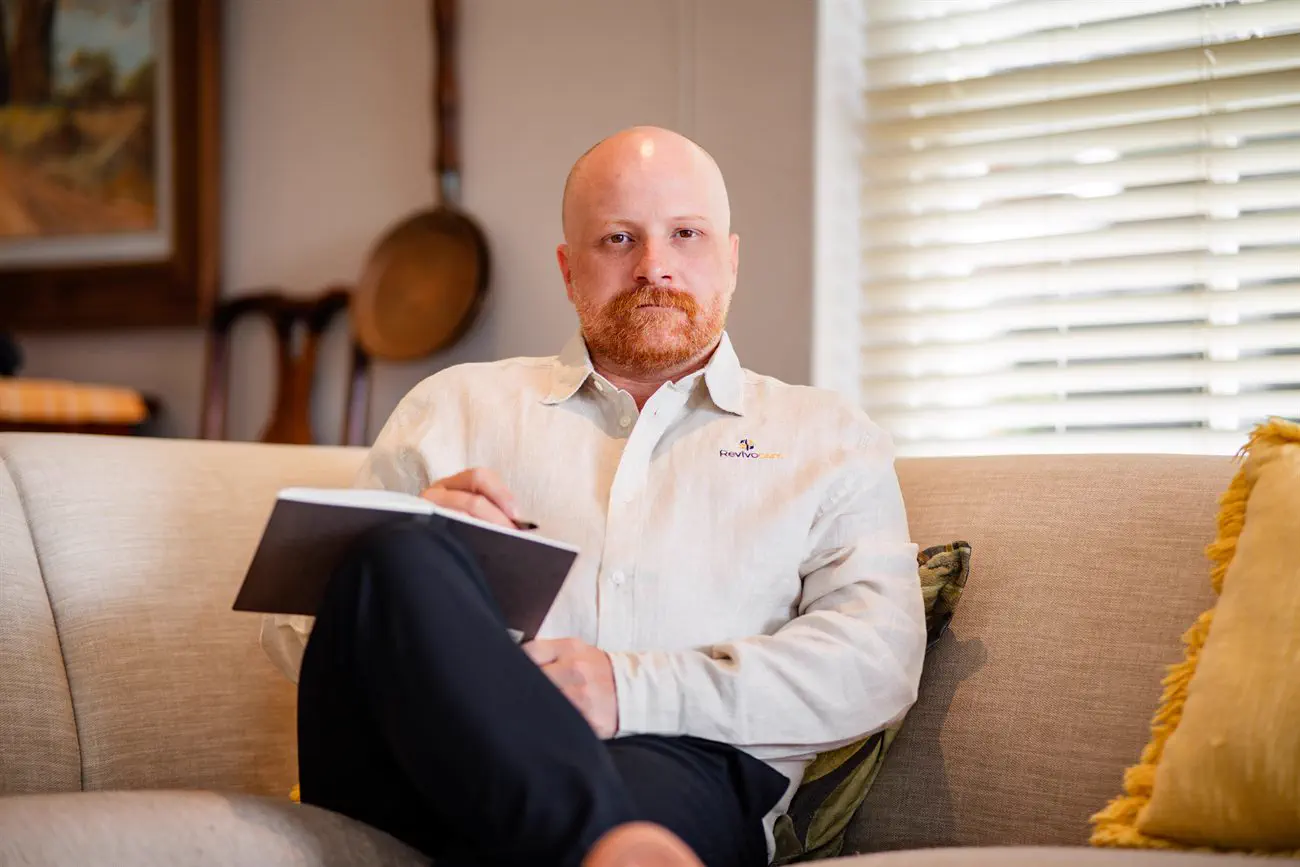
Would you rather get to know us first, at your own pace?
A first confidential conversation costs you nothing and commits you to nothing. You tell your story, we ask our questions, and then you decide for yourself what an appropriate next step is.
Book a confidential conversation